
The world has become increasingly interconnected, creating unprecedented opportunities for foreigners seeking to build careers, gain education, or start businesses beyond their home countries. Whether you’re a recent graduate, an experienced professional, or an entrepreneur, international opportunities can transform your life trajectory and open doors you never imagined possible.
Why Consider Opportunities Abroad?
Moving abroad represents more than just a change of scenery. International experience builds cultural intelligence, expands professional networks, and develops adaptability skills that employers value highly in our globalized economy. Living and working in another country challenges you to grow personally while gaining perspectives that can reshape how you view the world and your place in it.
The financial benefits can also be substantial. Many countries offer competitive salaries, favorable tax structures, or lower costs of living that allow foreigners to save more while enjoying a higher quality of life. Beyond money, the personal enrichment from experiencing different cultures, languages, and ways of life creates memories and relationships that last a lifetime.
Work Opportunities for Foreigners Abroad

High-Demand Industries Hiring Internationally
Technology remains the dominant sector for international recruitment. Software developers, data scientists, cybersecurity experts, and IT professionals find abundant opportunities across North America, Europe, Asia, and increasingly in emerging markets. Companies in tech hubs like Silicon Valley, Berlin, Singapore, and Bangalore actively recruit global talent, often providing visa sponsorship and relocation assistance.
Healthcare professionals experience similar global demand. Nurses, doctors, medical technicians, and healthcare administrators can find positions in countries facing workforce shortages. Australia, Canada, the United Kingdom, Germany, and Gulf nations regularly recruit foreign healthcare workers, offering competitive packages and clear pathways to permanent residence.
Engineering fields provide excellent international mobility. Civil, mechanical, electrical, and petroleum engineers find opportunities in infrastructure development worldwide. The Middle East, particularly the UAE and Saudi Arabia, offers lucrative contracts for engineers working on ambitious construction and development projects.
Education creates pathways for teachers and academics globally. English language teachers remain in high demand across Asia, Latin America, and the Middle East. International schools worldwide seek qualified teachers for various subjects, while universities recruit professors and researchers across all disciplines.
Digital Nomad Opportunities
The rise of remote work has revolutionized international opportunities. Digital nomads can work for companies anywhere while living in locations that offer favorable conditions. Countries like Portugal, Estonia, Croatia, Thailand, and Mexico have introduced digital nomad visas specifically designed for remote workers, making it easier than ever to combine work with international living.
Freelancers and independent contractors in writing, design, programming, marketing, and consulting can build location-independent careers. Platforms connecting freelancers with global clients have democratized access to international work, allowing professionals to serve clients worldwide from anywhere with reliable internet.
Teaching English Abroad
Teaching English represents one of the most accessible international opportunities for native speakers. Countries throughout Asia, including China, South Korea, Japan, and Vietnam, employ tens of thousands of foreign English teachers annually. These positions typically require a bachelor’s degree and often a TEFL, TESOL, or CELTA certification.
European countries also hire English teachers, though requirements are generally stricter and may require EU citizenship or a specialized visa. Latin American countries offer teaching opportunities with lower salaries but also lower costs of living, making them attractive for those seeking cultural immersion over high earnings.
Programs like JET in Japan, EPIK in South Korea, and TAPIF in France provide structured pathways into teaching abroad with support systems for newcomers. Private language schools, public schools, and universities all hire foreign teachers, each offering different benefits, schedules, and student populations.
Study Opportunities Abroad

Scholarship Programs for International Students
Education abroad opens doors professionally while providing transformative personal experiences. Numerous scholarship programs fund international study, making education accessible regardless of financial background. The Fulbright Program, Chevening Scholarships, DAAD scholarships, and Erasmus Mundus represent prestigious opportunities covering tuition, living expenses, and travel costs.
Many universities offer their own scholarships specifically for international students. Top institutions in the United States, United Kingdom, Canada, Australia, and increasingly in Asia provide merit-based and need-based financial aid to attract global talent. Research-focused programs often fund graduate students through assistantships, allowing students to pursue advanced degrees while gaining teaching or research experience.
Government-sponsored programs in countries like Germany, Norway, and Finland offer tuition-free or low-cost education even for international students, making quality European education remarkably affordable. These countries view international students as valuable contributors to their academic communities and future workforces.
Popular Study Destinations
The United States hosts the largest number of international students globally, attracting those seeking prestigious degrees and research opportunities. American universities dominate global rankings, particularly in STEM fields and business. The Optional Practical Training program allows international graduates to work in the U.S. for up to three years after completing STEM degrees, providing valuable career launching experience.
The United Kingdom offers shorter degree programs than the U.S., with most master’s degrees completed in one year, reducing overall costs despite high tuition fees. The UK’s Graduate Route visa allows international students to remain for two years post-graduation to work, making British degrees attractive for those seeking international career experience.
Canada has become increasingly popular due to its welcoming immigration policies, high-quality education, and post-graduation work permits. Canadian degrees provide clear pathways to permanent residence through programs designed to retain international graduates as skilled immigrants.
Australia attracts students with its lifestyle, quality universities, and work opportunities during and after study. Australian degrees are globally recognized, and the post-study work visa allows graduates to gain local experience that can lead to permanent residence.
Germany offers tuition-free education at public universities, even for international students, making it an exceptional value. Programs taught in English are expanding, particularly at the graduate level, and Germany’s strong economy provides excellent career prospects for graduates.
Student Exchange Programs
Exchange programs provide shorter-term study abroad experiences, typically lasting one semester or year. These programs allow students to experience international education while maintaining progress toward degrees at their home institutions. Exchanges often cost the same as studying at home, making them accessible financial options for international experience.
Universities worldwide have exchange partnerships allowing students to study abroad while paying home institution tuition. These experiences build intercultural competence, language skills, and global networks while adding impressive credentials to resumes.
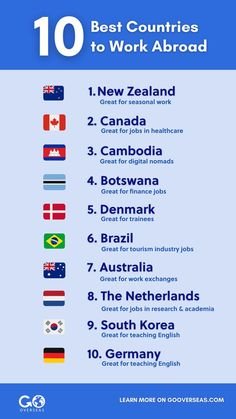
These Countries Are Still Hiring
Business and Entrepreneurship Opportunities
Starting a Business Abroad
Entrepreneurship knows no borders, and many countries actively court foreign entrepreneurs who can create jobs and innovation. Startup visas in countries like Canada, Chile, Singapore, Estonia, and the Netherlands provide pathways for entrepreneurs to establish businesses and potentially gain permanent residence.
Some countries offer particularly favorable business environments for foreigners. Singapore’s efficient regulatory system and strategic location make it a gateway to Asian markets. Estonia’s e-residency program allows anyone worldwide to establish and run an EU-based company entirely online. The UAE, particularly Dubai, offers free zones with full foreign ownership, no corporate taxes, and simplified business setup.
Understanding local markets, regulations, cultural norms, and business practices is essential for entrepreneurial success abroad. Thorough market research, local partnerships, and cultural sensitivity can mean the difference between thriving and failing in international business ventures.
Investment Opportunities
Many countries offer residence permits or citizenship in exchange for significant investments. Golden visa programs in Portugal, Spain, Greece, and other European countries provide residence rights for property investments or capital contributions. Caribbean nations offer citizenship through investment programs, providing access to visa-free travel to numerous countries.
Real estate investment abroad can generate rental income while potentially appreciating in value and providing a foreign residence base. Popular markets include Portugal, Spain, Thailand, Mexico, and emerging markets with growing middle classes and tourism industries.
Stock markets, businesses, and venture capital opportunities in growing economies offer potentially high returns, though with corresponding risks. Diversifying investments internationally can hedge against domestic economic challenges while capitalizing on global growth.
Volunteer and Internship Opportunities
International Volunteering
Volunteer programs provide meaningful ways to experience living abroad while contributing to communities and causes. Organizations like Peace Corps, VSO, and UN Volunteers place skilled professionals in developing countries for extended assignments addressing education, health, environment, and economic development challenges.
Shorter-term volunteer opportunities through organizations like WWOOF, Workaway, and HelpX exchange work for accommodation and meals, making extended international stays affordable. These experiences suit those seeking cultural immersion and adventure more than professional advancement.
Teaching, conservation, healthcare, and community development projects worldwide welcome international volunteers. While some programs charge fees, others provide living stipends, particularly for longer commitments and specialized skills.
International Internships
Internships abroad build professional experience while providing international exposure that distinguishes resumes in competitive job markets. Many universities facilitate international internships for students and recent graduates through partnerships with companies worldwide.
International organizations like the United Nations, World Bank, and NGOs offer internship programs attracting young professionals globally. These competitive positions provide invaluable experience in international development, diplomacy, and global policy.
Multinational corporations often recruit interns internationally, particularly for positions at headquarters or major regional offices. These internships can lead to full-time positions and provide insights into global business operations.
Visa and Legal Considerations
Types of Work Visas
Understanding visa requirements is crucial for pursuing international opportunities. Work visas come in various categories depending on job type, duration, and applicant qualifications. Skilled worker visas in countries like Canada, Australia, and the UK use points-based systems evaluating education, work experience, language ability, and age.
Employer-sponsored visas require a company to demonstrate they cannot fill positions with local workers before hiring foreigners. These visas tie workers to specific employers, limiting flexibility but providing clear pathways into countries with strong labor protections.
Intra-company transfer visas allow multinational corporations to move employees between offices globally, facilitating international career progression within organizations. Working holiday visas for young people from treaty countries provide one to two years of work rights, popular for those seeking international experiences without long-term commitments.
Residency Pathways
Many countries offer pathways from temporary work or study visas to permanent residence. Canada’s Express Entry system provides clear routes to permanent residence for skilled workers. Australia’s skilled migration program similarly facilitates permanent settlement for those meeting criteria.
European Union Blue Card programs allow highly skilled workers to live and work in EU countries, with pathways to permanent residence and eventually citizenship. Family reunification provisions allow permanent residents and citizens to sponsor spouses, children, and sometimes parents.
Citizenship requirements vary significantly by country. Some nations allow citizenship after just three to five years of legal residence, while others require much longer periods. Dual citizenship acceptance also varies, with some countries permitting multiple nationalities while others require renunciation of prior citizenships.
Important Legal Documentation
Proper documentation is essential for legal international residence and work. Passports must have sufficient validity, typically at least six months beyond intended stays. Visas must be obtained before arrival in most cases, though some countries offer visa-on-arrival or electronic travel authorizations.
Work permits, separate from entry visas in some countries, authorize employment legally. Background checks and health examinations commonly support visa applications, particularly for permanent residence. Professional credential recognition may require evaluation services to verify foreign degrees and qualifications meet local standards.
Tips for Success When Seeking Opportunities Abroad
Research and Preparation
Thorough research prevents costly mistakes and sets realistic expectations. Understanding the cost of living, tax implications, healthcare systems, and cultural norms in target countries helps you make informed decisions. Climate, language requirements, political stability, and expatriate communities all factor into choosing suitable destinations.
Learning the local language, even basics, demonstrates respect and facilitates daily life. While English suffices in many international contexts, language skills open more opportunities and deepen cultural experiences. Online courses, apps, and language exchange partners make learning accessible before departure.
Financial preparation includes saving adequate funds for initial expenses, understanding banking options, and planning for currency fluctuations. Emergency funds covering at least three to six months of expenses provide security during transitions.
Networking and Building Connections
Professional networks accelerate job searches and provide support systems abroad. LinkedIn, industry associations, and alumni networks connect you with people in target countries who can offer advice, referrals, and friendship. Attending conferences, joining professional groups, and participating in expatriate communities builds valuable relationships.
Informational interviews with people working in your field abroad provide insider perspectives on job markets, cultural expectations, and career trajectories. Most professionals appreciate the opportunity to help others and share their experiences.
Adapting to Cultural Differences
Cultural intelligence matters as much as technical skills for international success. Understanding communication styles, workplace hierarchies, decision-making processes, and relationship building in different cultures prevents misunderstandings and builds credibility.
Patience with yourself and others during cultural adjustment periods reduces stress and frustration. Culture shock affects nearly everyone living abroad, typically following predictable phases of excitement, frustration, adjustment, and finally comfort in the new environment.
Remaining open-minded and curious rather than judgmental about differences allows you to learn and grow from international experiences. What seems strange initially often makes sense once you understand underlying cultural values and historical contexts.
Maintaining Work-Life Balance
International opportunities can be all-consuming, particularly in the exciting early phases. Maintaining balance prevents burnout and allows you to enjoy your host country beyond just work. Exploring new places, making local friends, and pursuing hobbies creates well-rounded international experiences.
Staying connected with family and friends back home provides emotional support during challenges. Technology makes maintaining relationships easier than ever, though time zone differences require coordination and effort.
Conclusion: Taking the Leap
Opportunities abroad for foreigners have never been more accessible or diverse. Whether you seek career advancement, educational enrichment, entrepreneurial ventures, or personal growth, international experiences offer rewards that extend far beyond professional credentials. The combination of globalization, technological connectivity, and progressive immigration policies in many countries has created an environment where those willing to embrace uncertainty and adventure can thrive globally.
The challenges are real—visa complexities, cultural adjustments, distance from loved ones, and professional uncertainty can feel overwhelming. However, the personal and professional growth that comes from successfully navigating these challenges builds resilience, confidence, and capabilities that serve you throughout life.
Start by clarifying your goals and researching opportunities aligned with your skills, interests, and circumstances. Take concrete steps toward your international ambitions, whether that means improving language skills, obtaining necessary certifications, building savings, or applying for positions and programs. The path may not be linear or easy, but for those who persist, opportunities abroad can transform dreams into reality.
The world awaits those brave enough to venture beyond familiar borders. Your international opportunity is out there—the question is not whether you can succeed abroad, but whether you’re ready to take the first step toward making it happen.